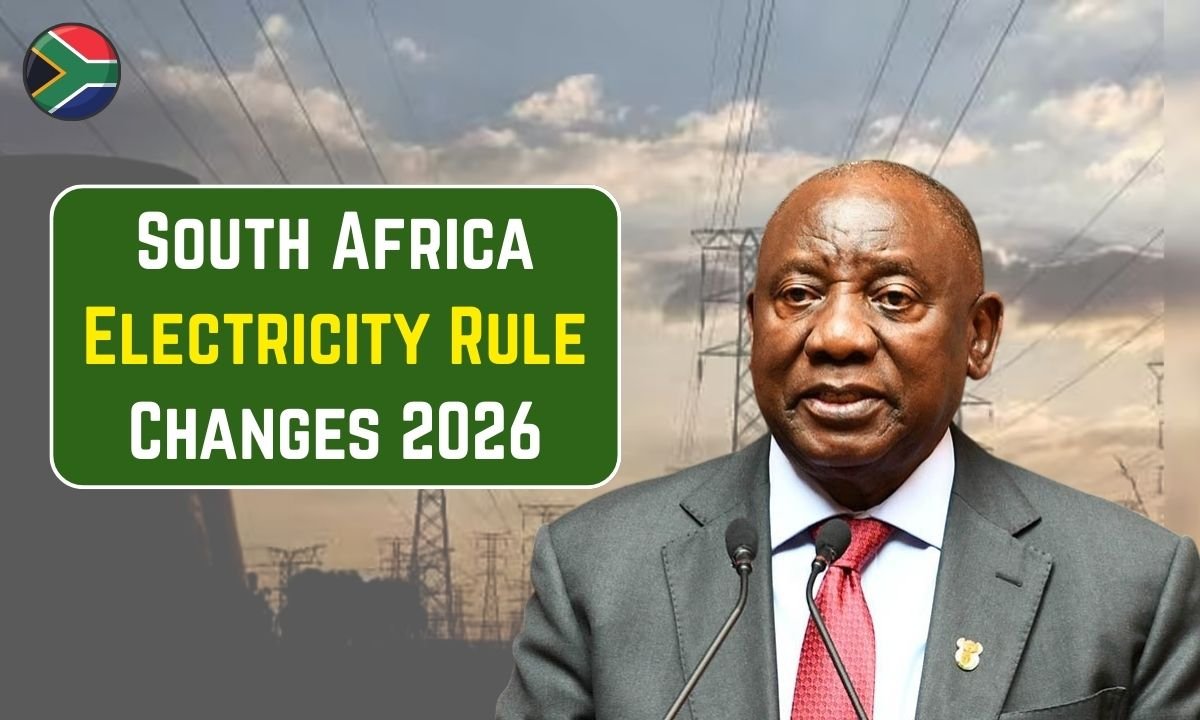
If you live in South Africa, electricity isn’t just another monthly bill—it’s a daily concern. Between rising tariffs and the ongoing reality of load-shedding, many households keep a close eye on any policy changes that might affect their power supply. That’s exactly why the South Africa Electricity Rule Changes 2026 have drawn so much attention.
In 2026, regulators introduced several updates aimed at improving how electricity is produced, distributed, and priced. These changes come from the National Energy Regulator of South Africa (NERSA) and the Department of Mineral Resources and Energy. The goal is simple but ambitious: make the electricity system more reliable while allowing more private investment in power generation.
For ordinary households, these policy updates may gradually reshape how electricity is purchased, generated, and managed.
Why the Electricity Rules Changed in 2026
Here’s the reality many South Africans already know. Eskom has been facing serious financial challenges for years. High debt levels, aging power stations, and frequent maintenance issues have contributed to repeated load-shedding across the country.
Because of this pressure, regulators have started opening the energy market to more private participation. The South Africa Electricity Rule Changes 2026 are designed to encourage independent power producers, make renewable energy easier to adopt, and create a more flexible energy system.
In simple terms, the government wants to reduce reliance on a single electricity provider and allow more energy sources to feed into the grid.

Major Policy Changes Affecting Electricity in 2026
Several important adjustments have been introduced as part of the new energy framework. These changes focus on electricity tariffs, renewable energy registration, and consumer protections.
One of the biggest developments involves small-scale embedded generation, which includes rooftop solar systems installed by households or businesses. The registration process for these systems has been simplified in 2026, making it easier and faster for homeowners to legally connect solar installations to the grid.
Another major update involves electricity wheeling arrangements. This system allows consumers to purchase electricity from private generators while still using the existing national grid for delivery. Over time, this could create more competition in the electricity market and potentially lower energy costs for some customers.
Tariff structures have also been adjusted. Some municipalities and Eskom service areas introduced higher fixed service charges while slightly flattening the inclining block tariff system. This means the price difference between low and high electricity usage bands may be less extreme than before.
Finally, smart meter rollouts have been expanded in certain regions. These digital meters allow more accurate monitoring of electricity usage and help utilities detect technical problems or tampering more quickly.
What the Changes Mean for Prepaid and Post-Paid Users
For prepaid electricity users, the new rules may lead to slightly higher fixed service charges in some areas. However, the adjusted tariff structure aims to create more predictable electricity pricing across different consumption levels.
Post-paid customers could see small financial benefits if they manage their electricity usage carefully. For example, shifting heavy appliance use to off-peak hours may help reduce monthly costs depending on the tariff system applied by their municipality.
Households that already have rooftop solar systems may benefit the most from the South Africa Electricity Rule Changes 2026. Improved export credit policies mean that surplus electricity generated by solar panels can potentially be fed back into the grid more easily.
Over time, this could help homeowners offset some of their electricity costs.
How Households Can Prepare for the New Rules
With these energy policy updates taking effect, it’s important for households to stay informed about local electricity regulations. Tariffs can vary significantly depending on the municipality or whether electricity is supplied directly by Eskom.
Residents should regularly check their electricity statements or municipal websites for updated tariff tables. Understanding how fixed charges and energy rates work can help families plan their monthly budgets more effectively.
For homeowners considering renewable energy, the simplified solar registration process introduced in 2026 makes installation easier than before. Registering a compliant system may also allow access to export credits if excess electricity is sent back into the grid.

Finally, any faulty meters or billing issues should be reported quickly to the electricity provider. Early reporting helps prevent unnecessary charges and ensures accurate electricity usage records.
The South Africa Electricity Rule Changes 2026 represent a significant step toward a more flexible and modern energy system. While some cost adjustments may affect households in the short term, the broader goal is to build a more stable electricity network that supports renewable energy and reduces long-term power shortages.
Frequently Asked Questions
What are the South Africa electricity rule changes in 2026?
The 2026 electricity rule updates include simplified registration for rooftop solar systems, expanded smart meter rollouts, adjustments to tariff structures, and new frameworks allowing consumers to purchase power from private generators using existing grid infrastructure.
Will electricity prices increase in 2026?
Some households may experience slightly higher fixed service charges depending on their municipality. However, changes to tariff structures are intended to create more predictable pricing and support long-term improvements in the electricity sector.
Can households sell solar power back to the grid?
Yes, in certain areas households with registered solar systems may receive export credits when surplus electricity is fed back into the grid. The process has been simplified under the 2026 electricity rule changes to encourage renewable energy adoption.